Stress test antavi 360°
What happens when 100+ responders work on antavi 360° at the same time — and how we hardened performance, scalability and UX where it matters most.
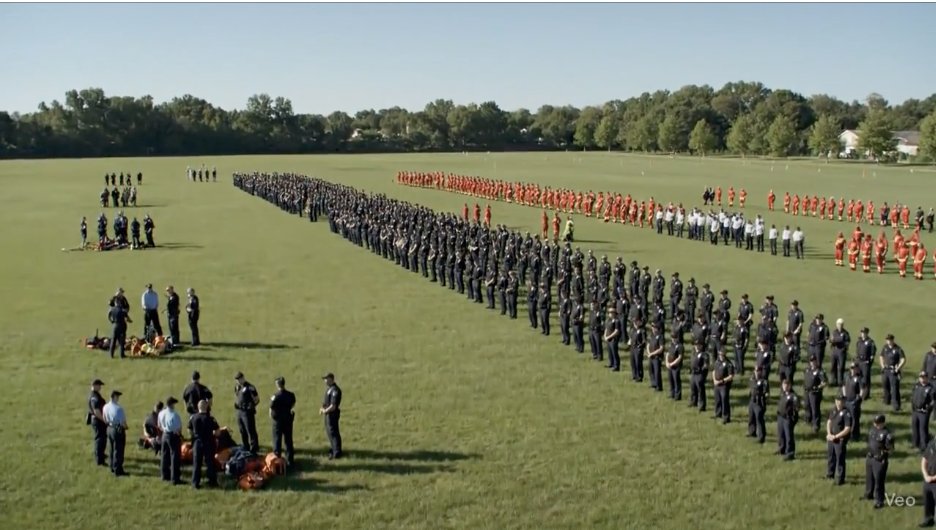
Stress test antavi 360°. What happens with hundreds of responders at the same time?
In live operation of antavi 360°, a single deployment typically involves 20–40 people directly. But what does it mean for usability when 100+ responders are active in the system simultaneously? That is something you usually do not want to find out for the first time during an incident.
An application like antavi 360° that synchronises in real time across all stakeholders places enormous demands on the overall system:
- Network — every status change and every position update has to be transmitted efficiently to all clients — without bringing the system or the clients to their knees.
- User interface — every new state updates the UI. Without intelligent throttling or debouncing, the device can quickly run into performance problems.
- Coordination logic — what works at a glance for 30 people requires a new architecture at 300: role-specific views, filtering and search mechanisms, hierarchies.
What does that unlock?
New use cases:
- City-wide major events with thousands of participants
- Multi-organisation operations (police, medical, security)
- Ad-hoc crisis situations with very large numbers of stakeholders
One mission. One reality.
Whether medical services, security, crowd management or any other operational role — your mission is our mission.